

Jitsuin vs Bank Seal vs Mitome-in: Japan's Three Seals, Explained for Foreigners
Japan sorts personal seals into three ranks — and the written ordinances are not what the counter actually accepts. What each seal can do, why the bank window can be stricter than city hall, and where the Latin alphabet fits.
Read the guide →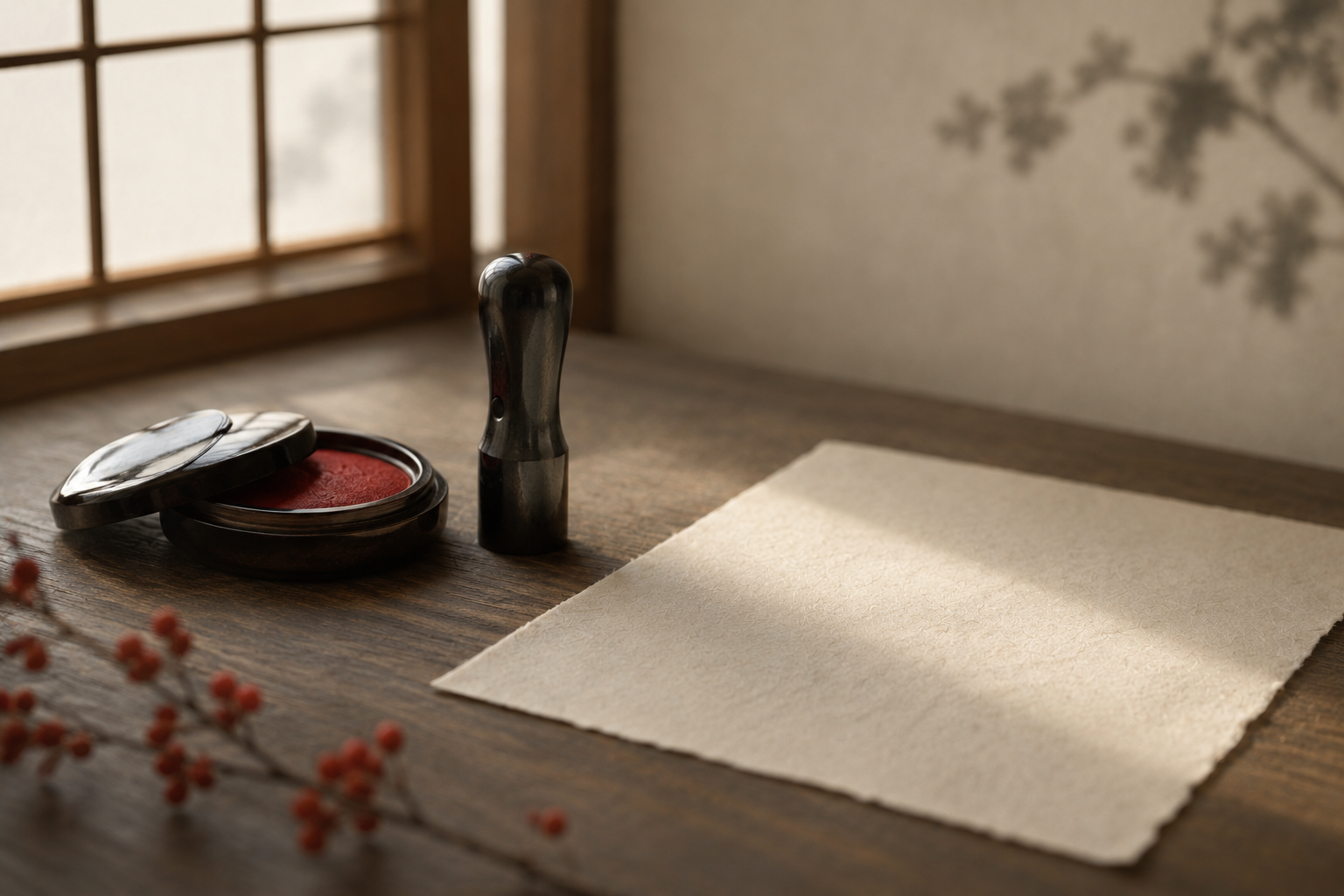
Do I Need a Hanko in Japan? The 2026 Reality of the "De-Hanko" Era
Japan's de-hanko reform was real — but banks, landlords and city halls still ask. When you actually need a hanko in 2026, when a signature is enough, and what to do if your name is in the Latin alphabet.
Read the guide →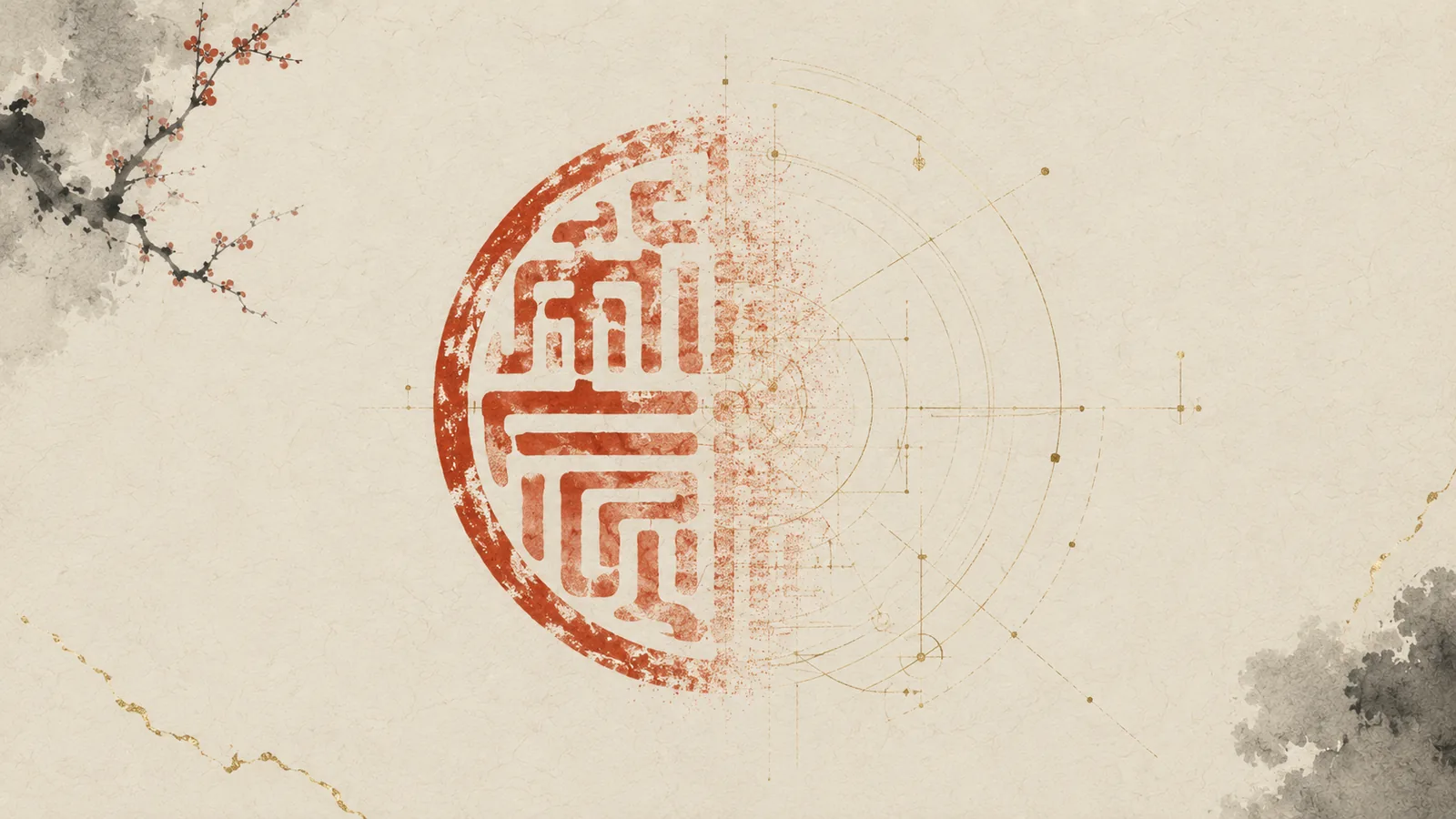
I Built a Non-AI Seal Engine. With AI.
Every seal on SealFont stopped being made by an AI image model and is now drawn by a geometry engine I built — with AI. Which half of the work AI should do, and which half it absolutely shouldn't.
Read the story →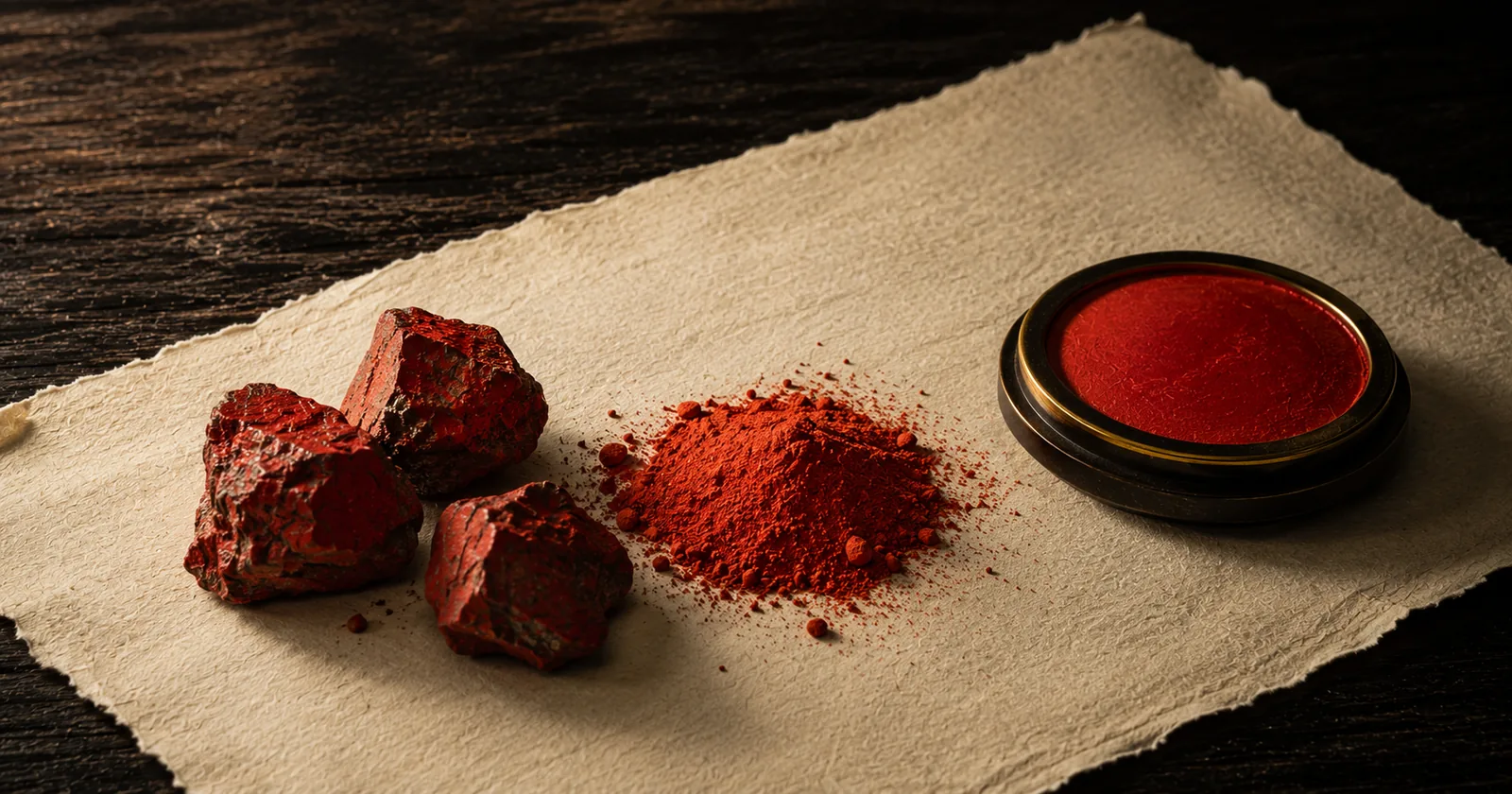
Why Is a Japanese Seal Always Red?
The vermilion on a Japanese seal isn't decoration. It's cinnabar — a mineral once valued just below gold, a symbol of eternity, and a little bit of poison. The real reason hanko impressions are red.
Read the guide →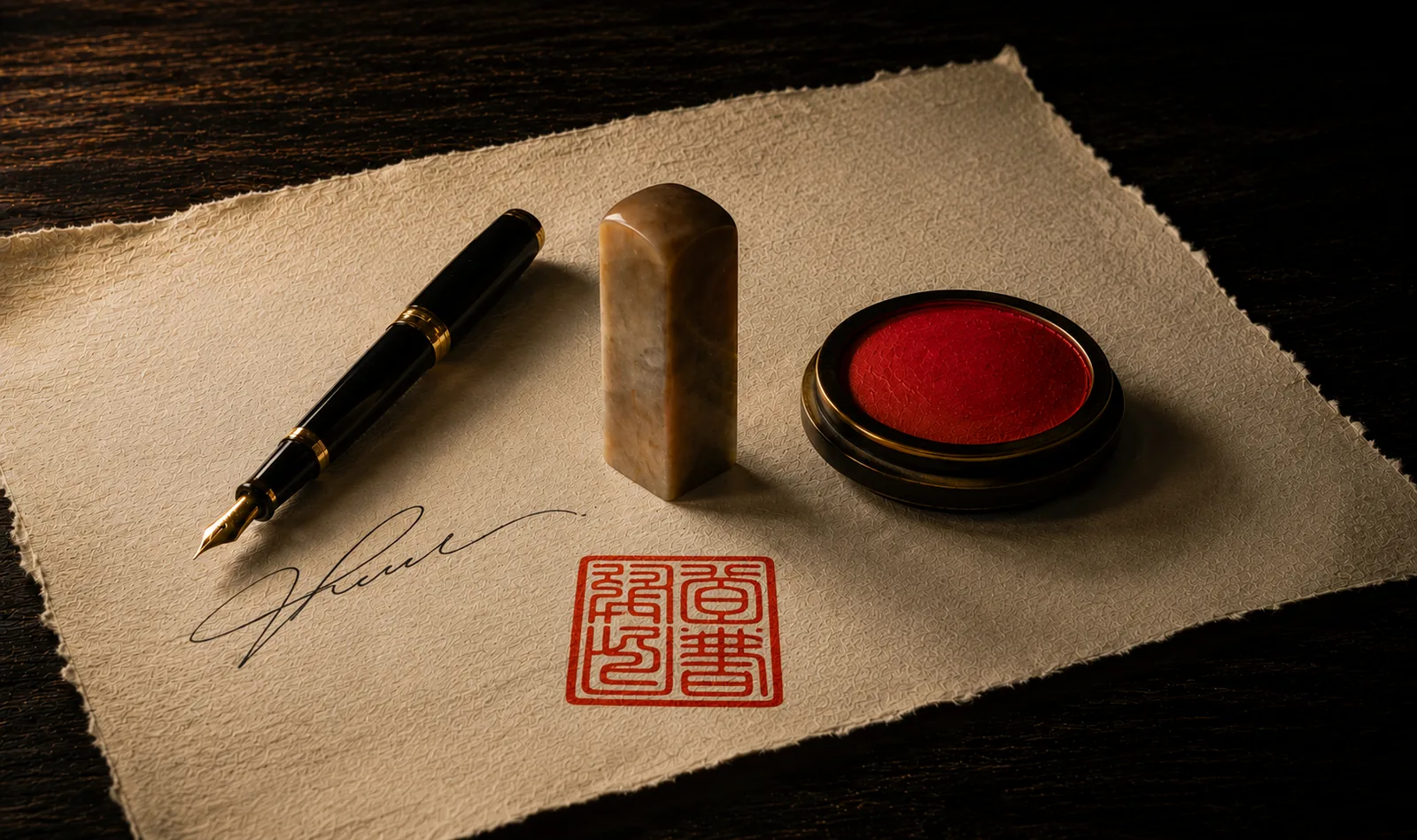
Why Does the West Sign, and Japan Seal?
A Westerner signs; in Japan you press a seal. Same job, opposite philosophies — one anticipates forgery and guards against it, the other presumes integrity. The cultural logic behind hanko vs signature.
Read the guide →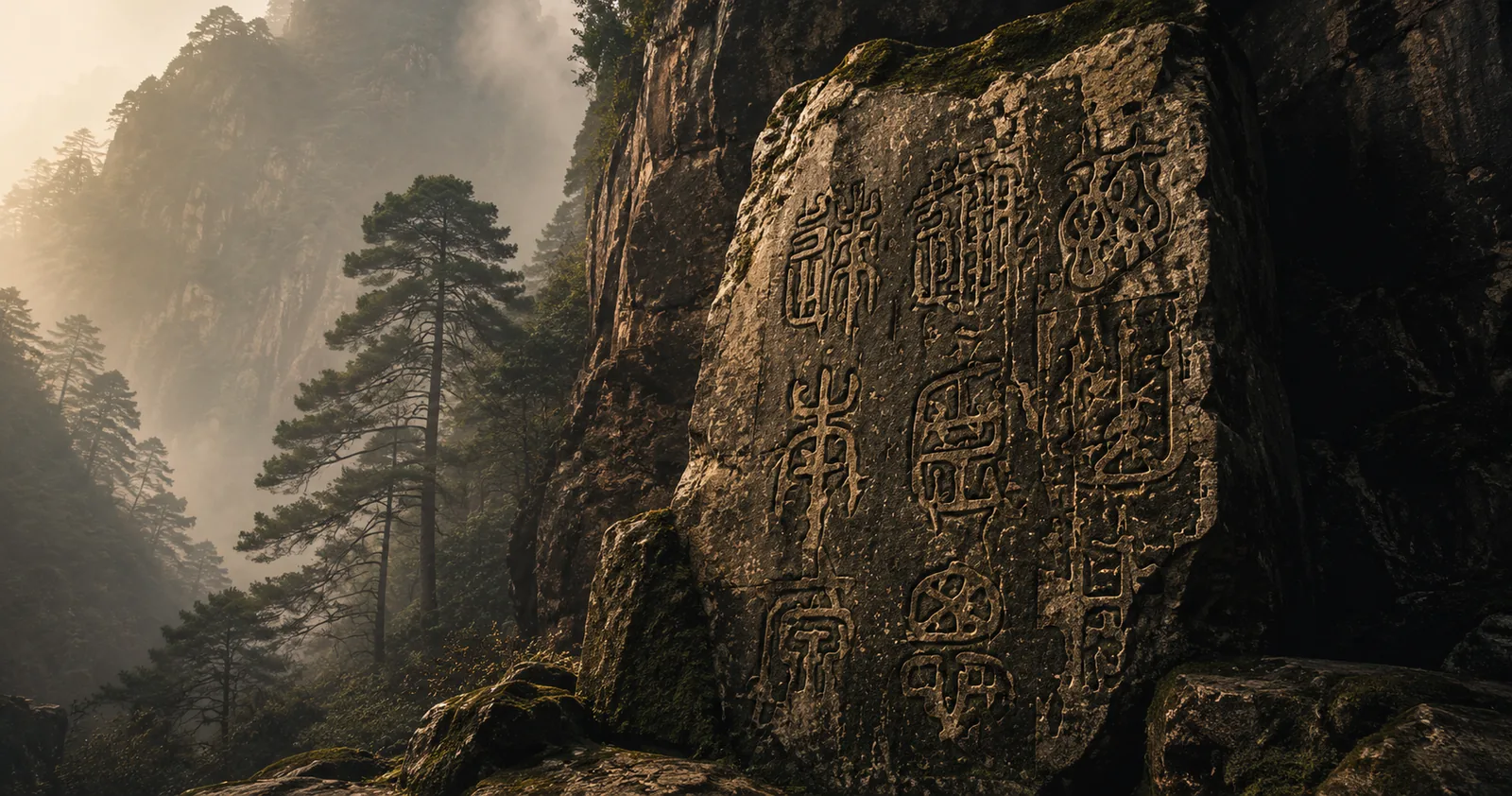
What Is Seal Script? The 2,000-Year Lineage Behind Your Hanko
The writing on a Japanese seal isn't decoration — it's seal script, one of the oldest writing systems still in daily use. From the First Emperor and Li Si to kissō-tai, the real history behind your hanko.
Read the guide →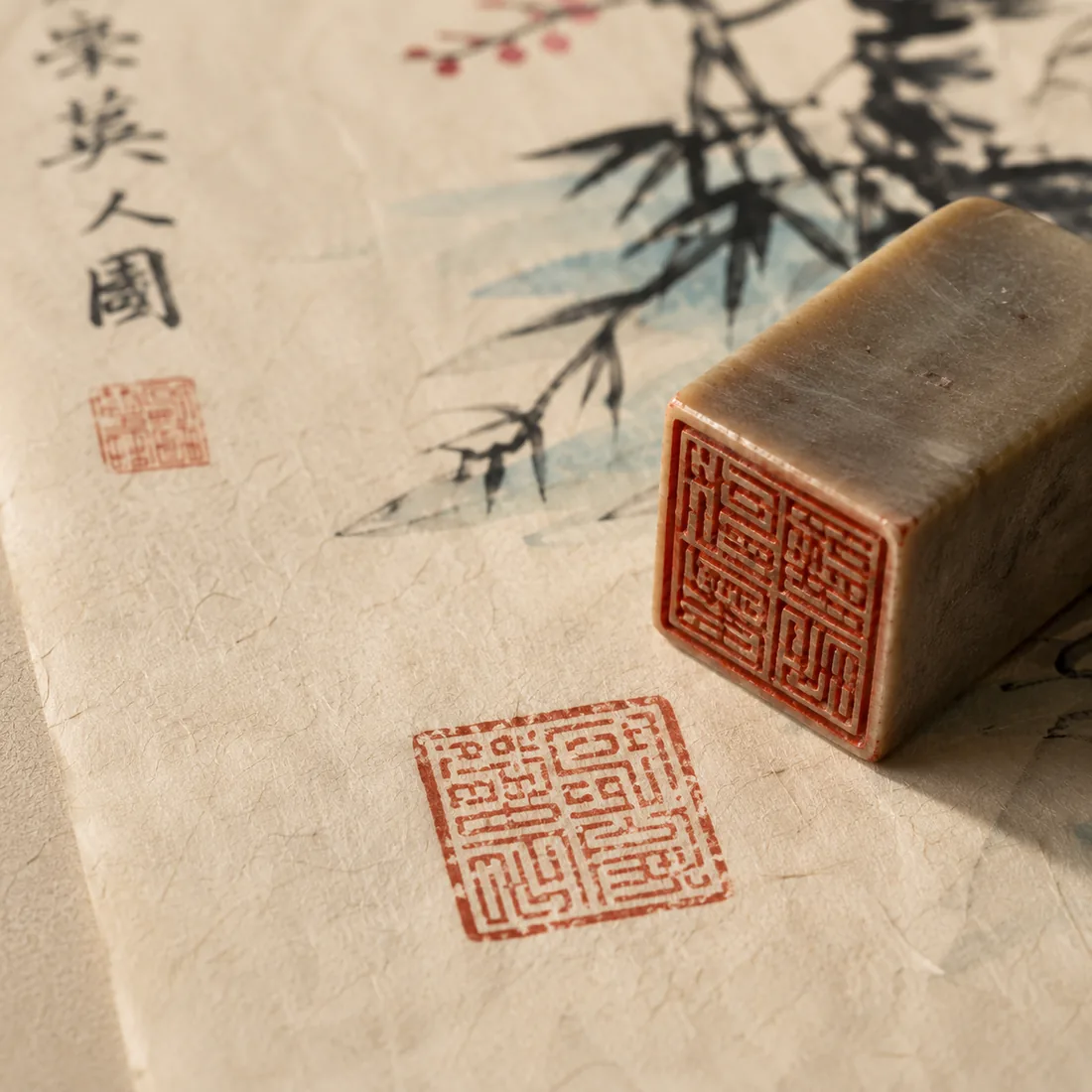
What Is a Rakkan? The Red Seals on Japanese Art, Explained
Those red seals on Japanese ink paintings and calligraphy have a name and a grammar. A clear guide to the rakkan — the artist's seal — its types, placement, and meaning.
Read the guide →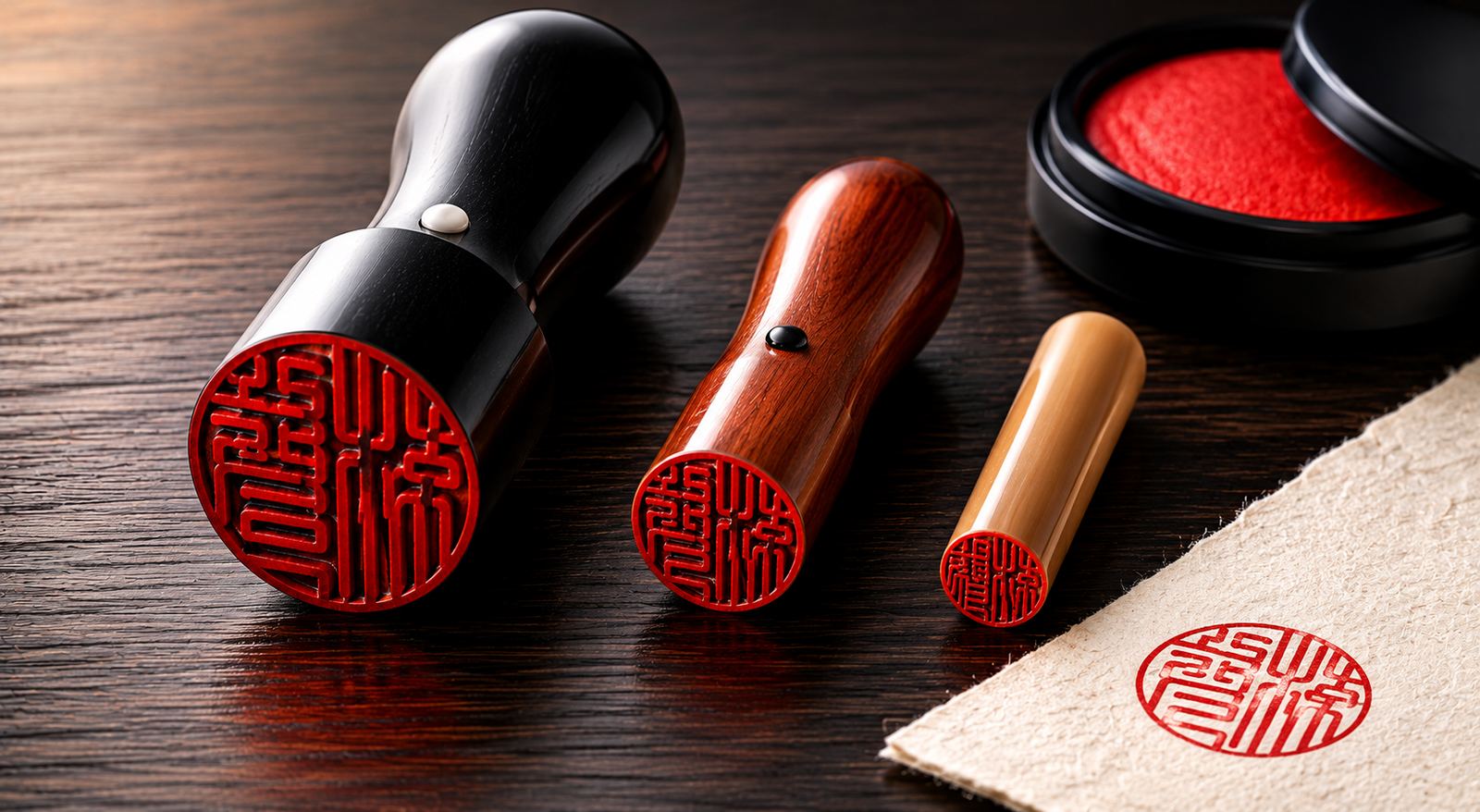
Can Foreigners Register a Hanko in Japan? Romaji Seals Explained
Yes — foreign residents can register a 実印, and many cities now accept romaji seals. The requirements, the step-by-step process, and what makes a seal registrable.
Read the guide →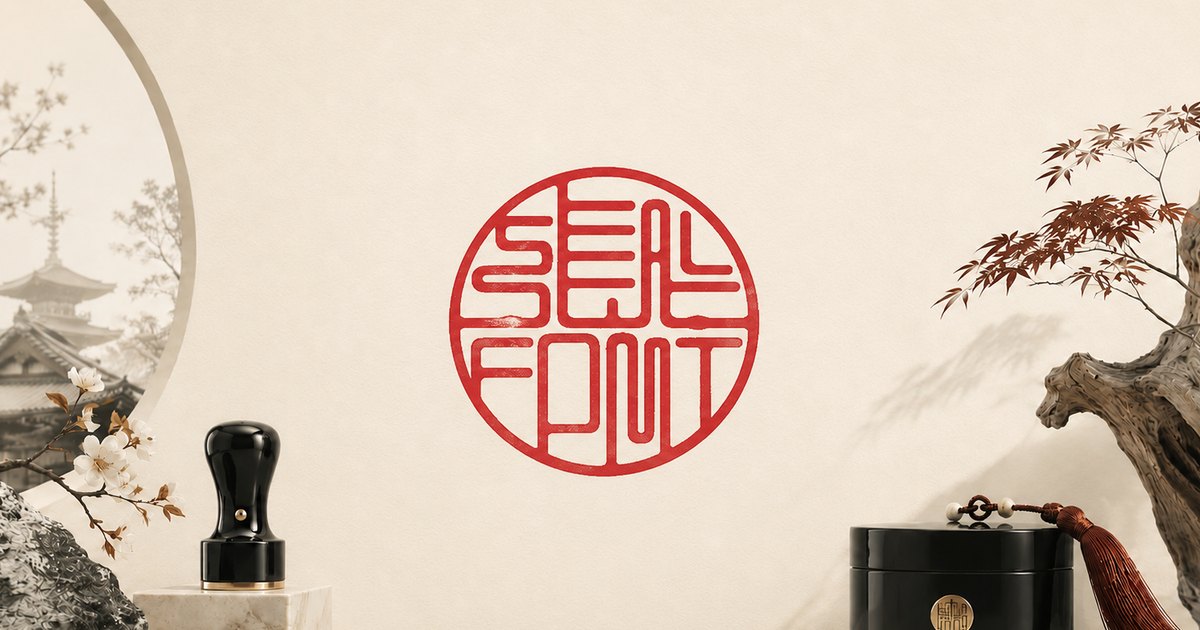
What Is a Hanko? A Foreigner's Complete Guide to Japan's Personal Seals
The history, the three seals you'll meet (実印・銀行印・認印), red vs white seals, and whether you can register one in your own romaji name.
Read the guide →
Does a Japanese Seal Really Bring Good Luck? An Honest Look
Stroke counts, the eight directions, "unlucky" names you can pay to fix — we trace where these promises actually come from, and separate the sales tactic from the tradition worth keeping.
Read the guide →