
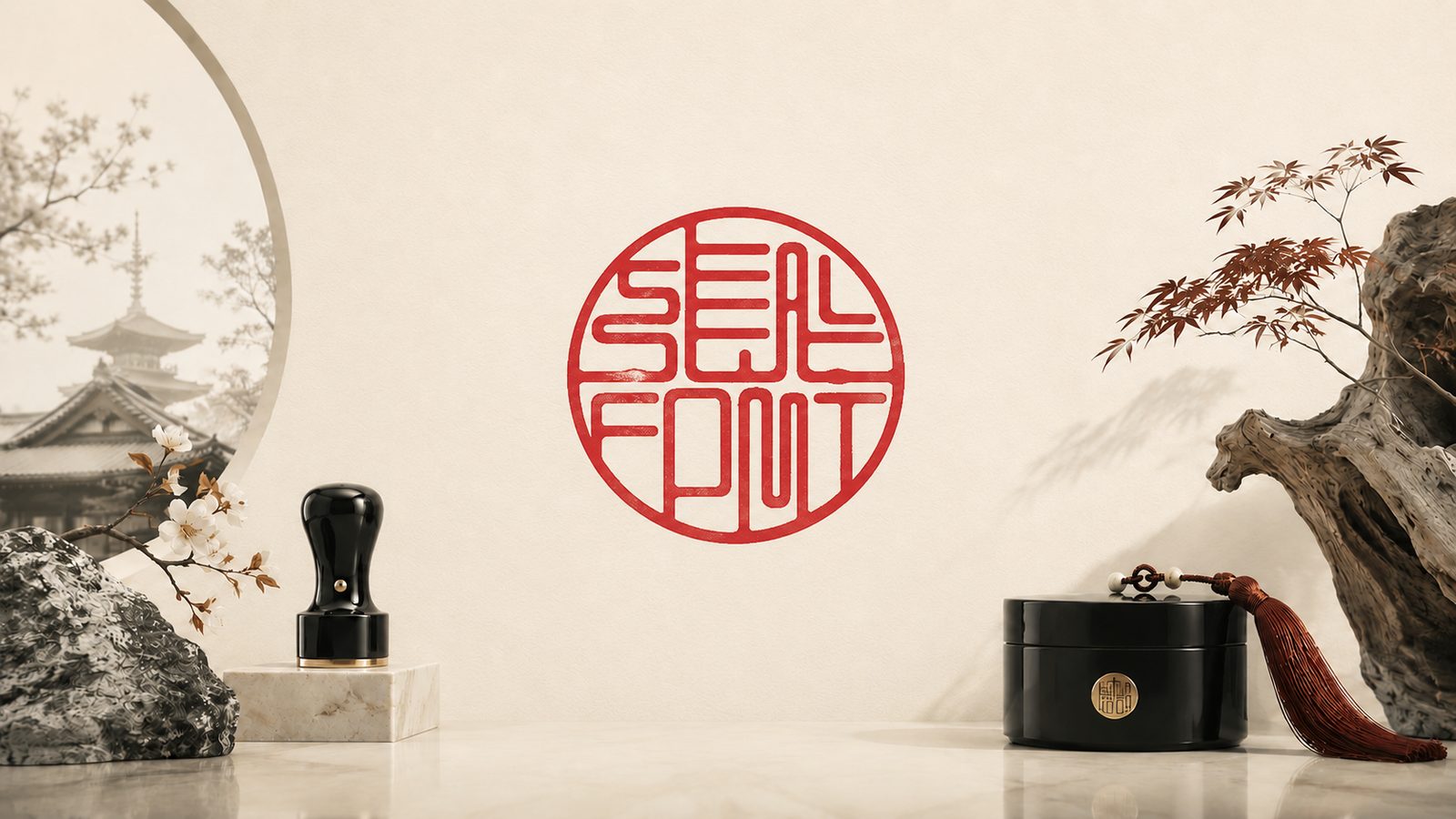
What Is a Hanko? A Foreigner's Complete Guide to Japan's Personal Seals
For most people who move to Japan, the first encounter with a hanko (判子) comes at the worst possible moment — standing at a bank counter, or in a city office, being asked to "press your seal here" on a form you don't fully understand. In Japan, a small carved stamp pressed in red ink can carry the legal weight a signature has elsewhere. It opens bank accounts, closes apartment leases, and registers you as a resident.
But the hanko is more than bureaucracy. It's a 2,000-year-old tradition that's still part of daily life — and once you understand it, it stops being an obstacle and starts being one of the quietly beautiful things about living in Japan.
Here's everything a newcomer actually needs to know.
A very short history
Japan didn't invent the seal — but it adopted it early and never let go.
The oldest seal in Japan is also one of its national treasures: a small solid-gold seal reading "King of Na of Wa" (漢委奴國王), gifted by the Chinese Han emperor to a local ruler in 57 AD. A farmer rediscovered it on an island near Fukuoka in 1784, and you can still see it today.
For centuries, seals were tools of the state and the elite. During the Edo period (1603–1868), merchants and samurai began using personal seals to authorize documents. Then, in the Meiji era (1870s), the government built the formal seal-registration system (印鑑登録) that Japan still runs today — the reason your registered seal carries real legal force.
Trivia: the red paste a hanko is pressed into is called shuniku (朱肉), traditionally made from vermilion pigment, mugwort fiber, and oil.
The three seals you'll actually meet
Japanese personal seals come in three practical tiers, from "most important" to "everyday."
実印 (jitsuin) — your registered seal
This is the big one. You register it at your local city office and receive a certificate of seal registration (印鑑登録証明書) proving it's really yours. The jitsuin is reserved for the most serious acts: buying property or a car, taking out a loan, inheritance, and formal contracts. You have only one, and it's legally you.
銀行印 (ginkō-in) — your bank seal
Registered with your bank rather than the city, this seal opens and manages accounts. Many people keep it separate from their jitsuin for security — if one is compromised, the other still stands.
認印 (mitome-in) — your everyday seal
Unregistered and casual. Historically used to acknowledge internal documents or accept a delivery. (The classic image of stamping for a parcel is fading fast, but the mitome-in lingers in offices.)
Rule of thumb: the more a document can cost you, the more "official" a seal it asks for. Routine paperwork → mitome-in. Money and property → jitsuin.
Company seals, briefly
Businesses use their own seals — most visibly the 角印 (kaku-in), a square company seal stamped on invoices and quotes, plus a registered representative's seal for contracts. If a personal seal is usually round, a company seal is usually square — a quick visual shorthand you'll start to notice everywhere.
Red characters or white: 朱文 and 白文
Look closely at two stamped seals and you'll see they're built in opposite ways.
- 朱文 (shubun) renders the characters themselves in red, sitting on a clear ground. In Japan this is the mainstream style for round personal seals — your jitsuin or bank seal.
- 白文 (hakubun) does the reverse: the field is solid red and the characters are carved away so they read white inside the red. It's bolder, and more often seen on square and company seals.
It's a small detail, but it's the difference between a seal that reads elegant and one that reads authoritative — and seal artisans choose deliberately between them.
Why the strange, woven lettering?
Most formal seals are carved in seal script (篆書, tensho) — the ancient, geometric style where letters bend and interlock to fill a circle or square. There's a practical reason beyond beauty: the dense, woven forms are hard to forge, which is exactly what you want from a mark that can sign away a house. A decorative registration variant called insō-tai (印相体) pushes this further, letting strokes touch the outer ring for strength — and, some say, good luck.
Trivia: hanko are carved from everything from boxwood and buffalo horn to titanium, agate, and crystal — each with its own feel, price, and superstition.
Is the hanko dying?
You may have heard Japan is "getting rid of" the hanko. It's half true. In recent years the government pushed hard to remove seal requirements from routine administrative paperwork — a welcome simplification. But the core system isn't going anywhere: for major transactions and official registration, the jitsuin and the registration system remain firmly in place. The hanko is shedding its bureaucratic busywork and keeping its meaningful role.
Hanko and foreigners
For a long time, foreign residents who wanted a registrable seal were nudged toward a katakana version of their name — a phonetic approximation that often felt like wearing someone else's clothes.
That's changing. Many municipalities now allow seals in the Latin alphabet (romaji), provided the name matches the one on your resident record (住民票). The rules still vary by city and by exactly how your name is recorded, so it's always worth confirming with your local office — but for a growing number of foreign residents, a seal in your own name, in your own letters is now genuinely possible.
That's a meaningful shift. A hanko stops being a translation of you and becomes, simply, you.
Your name, in real seal script
That's the idea behind SealFont: your actual Latin name, composed in authentic seal script — not a font dropped into a circle, but a mark built on the principles of traditional carving. One of one, delivered as high-resolution PNG with a full commercial license, so you can use it on documents, signatures, and anywhere you sign.
Create yours →