Any name becomes a real Japanese seal — composed as one of one, free to create.
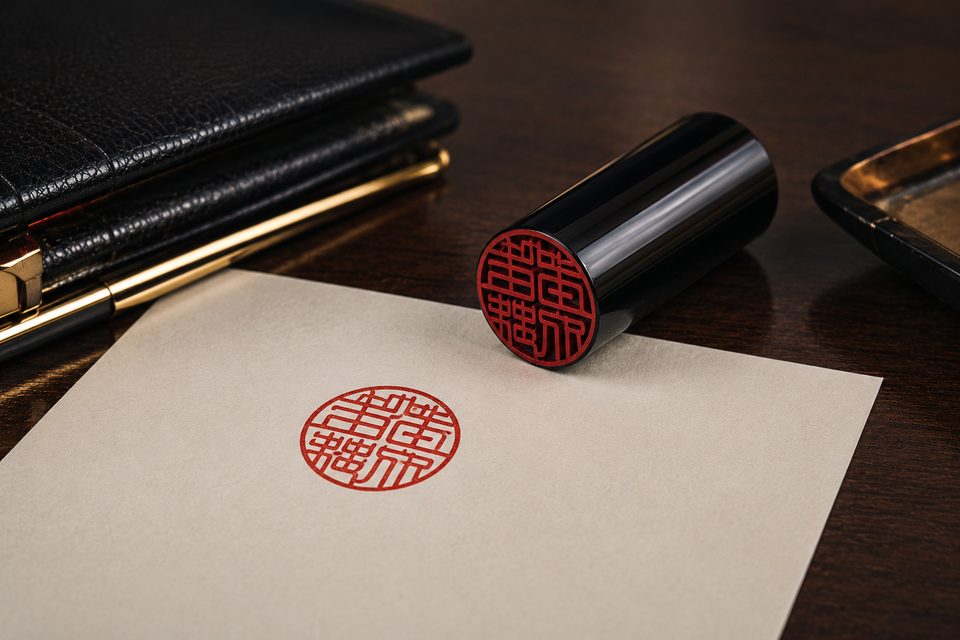
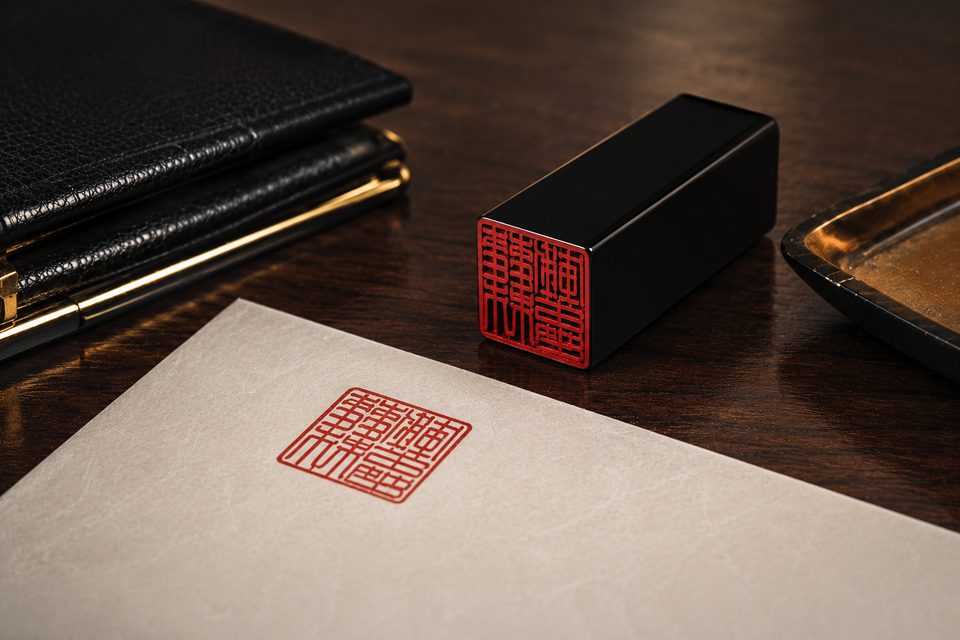
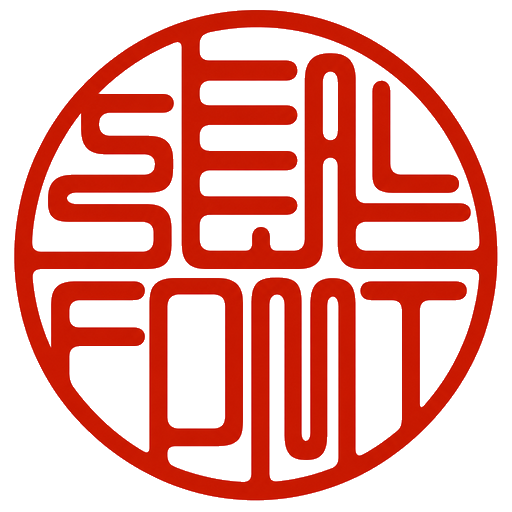
Round or square — round suits a personal name, square a shop or a brand. Both are composed from the same seal-script tradition, into a single seal that is yours.
丸印・朱文
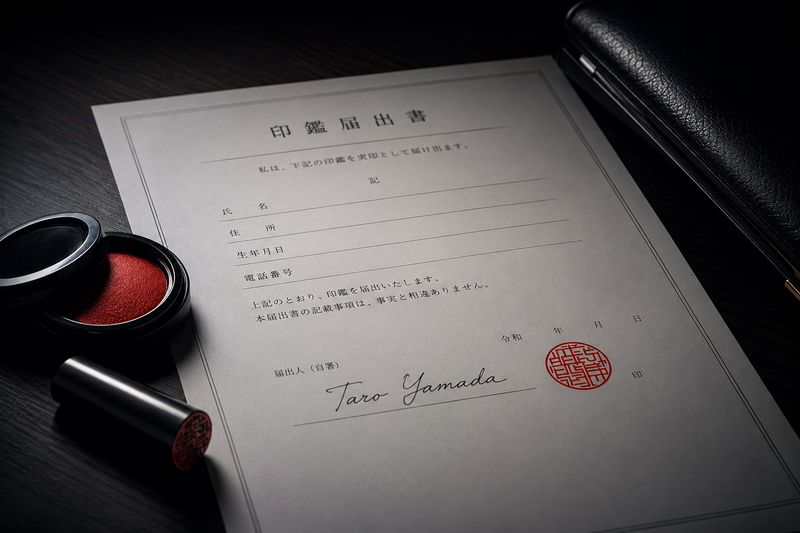
The most personal shape in Japan — the round of a registered seal (jitsuin), a bank seal, a company's representative seal. The formal mark that says who you are on contracts and official papers. The natural home for a name.
角印・朱文
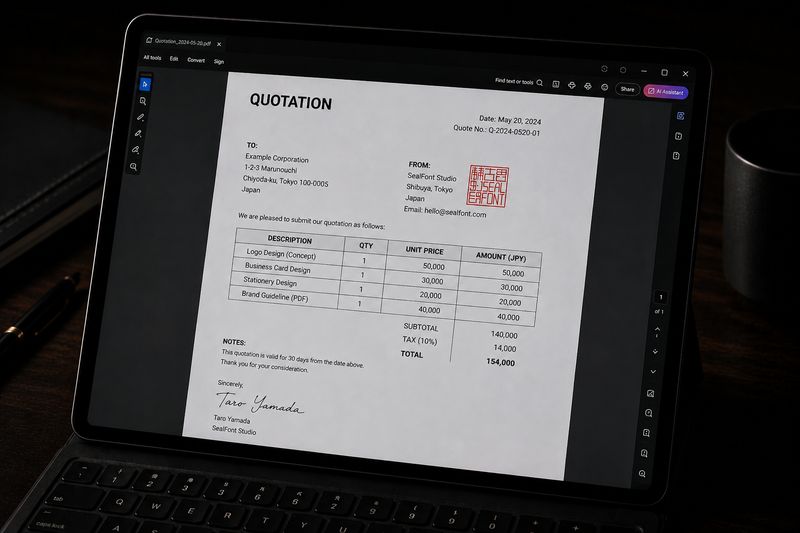
The shape that runs a business — a company's square seal goes on invoices, quotations and receipts, marking a document as unmistakably yours. The home for a shop or a brand.
Your free seal is yours to keep — a transparent PNG, no watermark, free for commercial use. Own it in high resolution — with engraving-ready vector data and a Certificate — for $18.8.
A signet you actually use — on documents, in the world, and online.

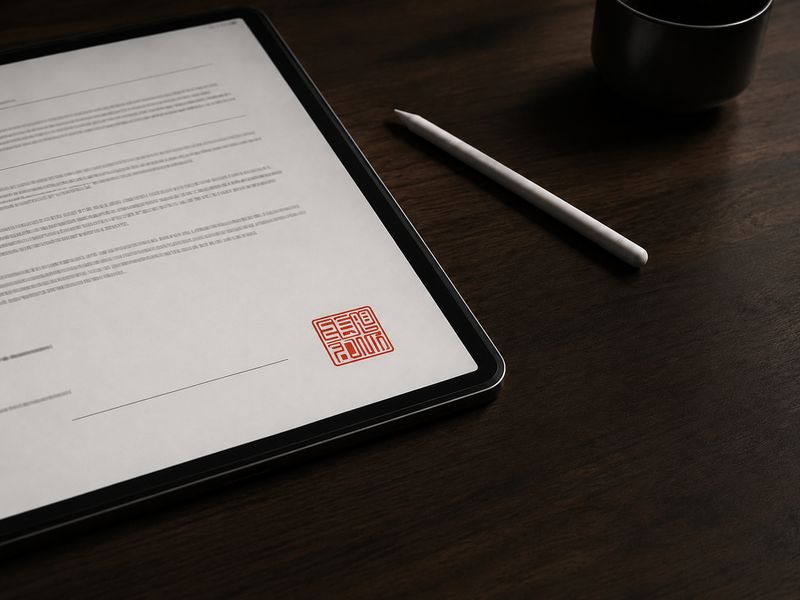
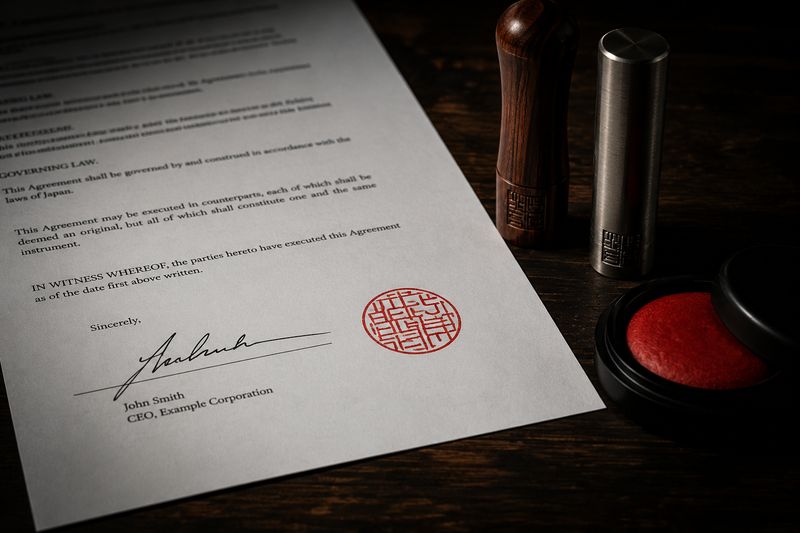
Sign contracts, proposals and digital documents with a mark that's unmistakably yours.

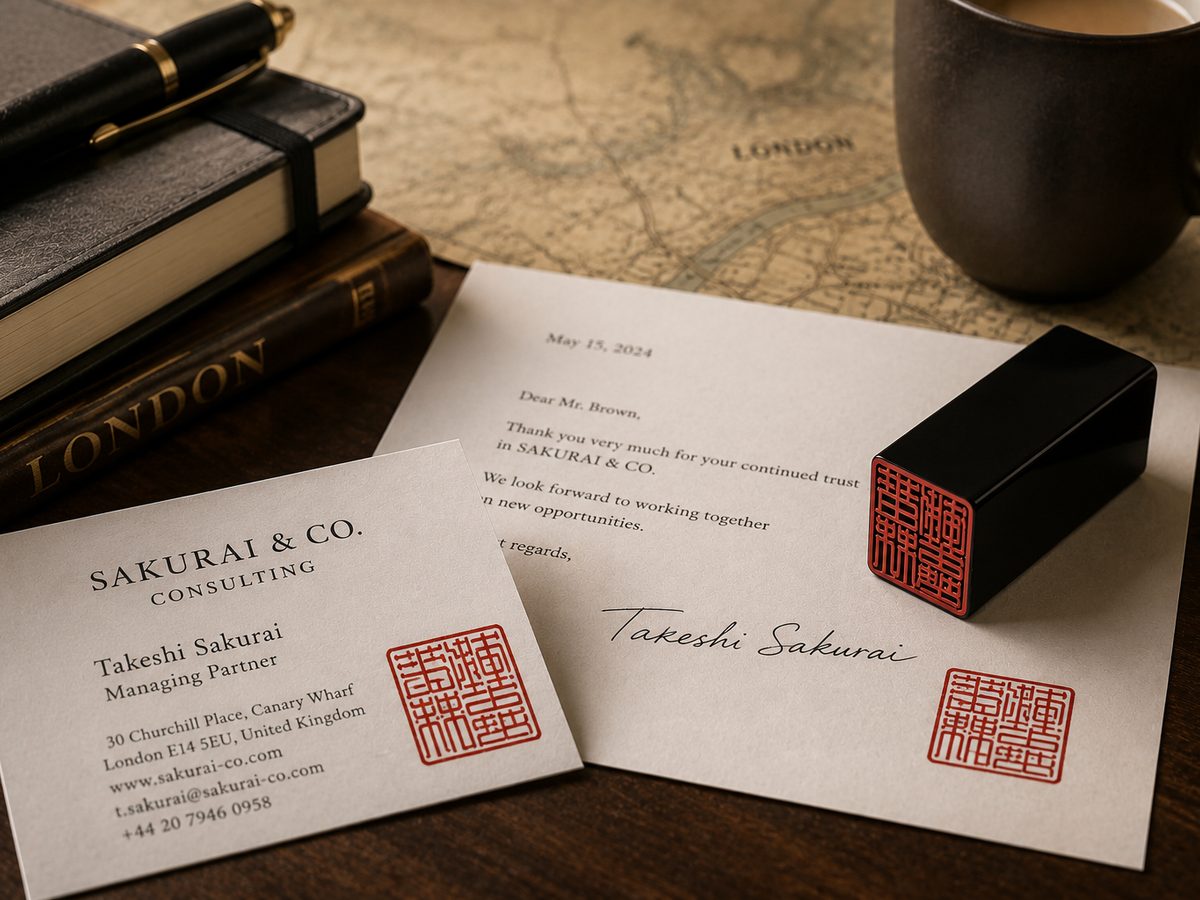
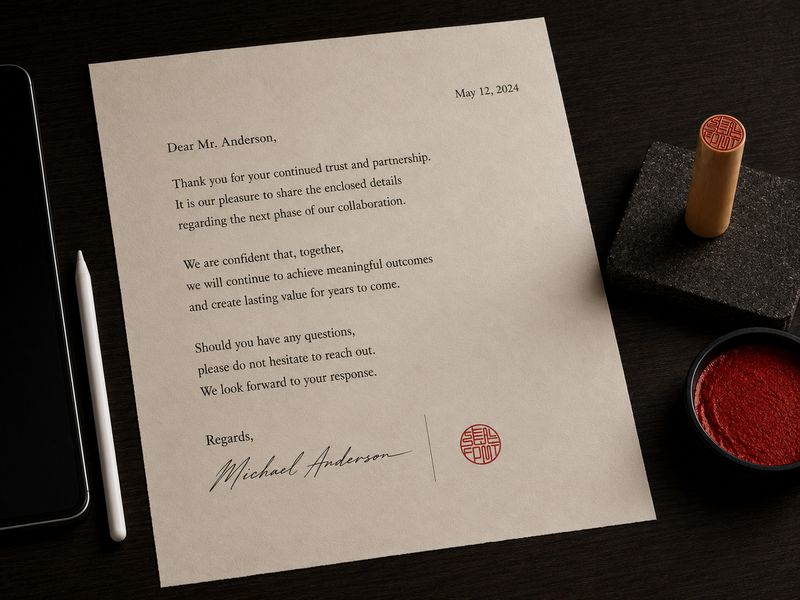
A logo-grade personal mark for a portfolio, a shop, or a signature line — licensed for commercial use.

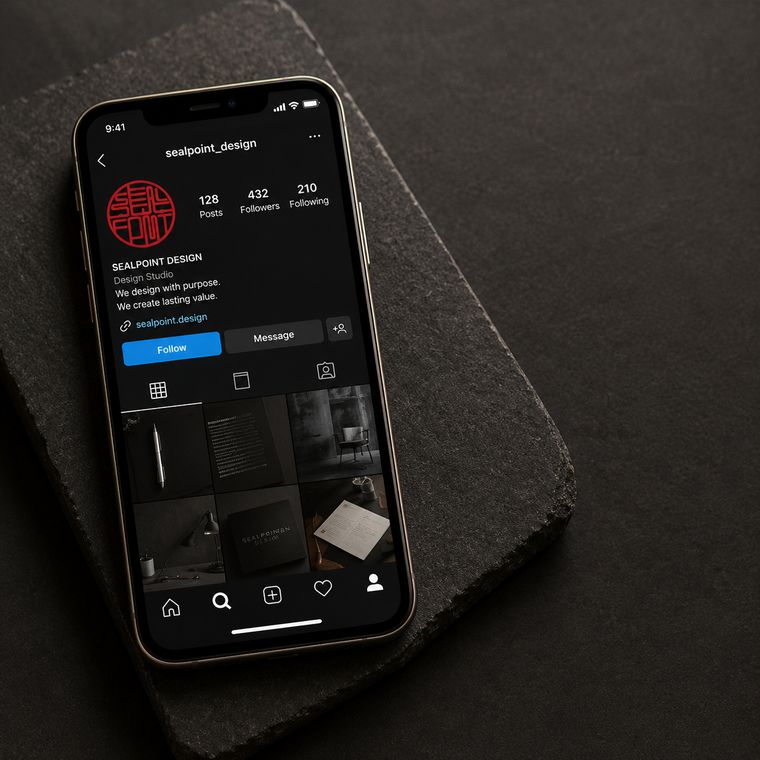
A profile mark that stands out — your signet as the avatar people remember.

Send your delivered files to our partner workshop in Japan and order the carving. Ships within Japan, about one week to your door.
One purchase covers one seal. Want both round and square? Generate and own each.
Your seal is composed once, for you alone — and its certificate proves it. Each Certificate of Composition records the seal itself, the name it carries, the date of composition, and its unique serial number. Computationally composed — designed by algorithm, one of one. Not AI-generated imagery. Mass-produced stamps share their shape with thousands. Yours exists once — cryptographically, verifiably, by design.
And a paid seal is more than its certificate. It comes with the manufacturing-ready vector data — AI, EPS and SVG, impression and mirrored carving face — that a hanko workshop can carve into a real, physical seal. The lasting value is data you can actually make a seal from.
Two seals of the same name may resemble each other — that is the nature of seals, as true for a master carver as for us. What no carver can offer is proof: every SealFont seal is fingerprinted at the coordinate level and recorded once under its serial. Yours is provably yours.
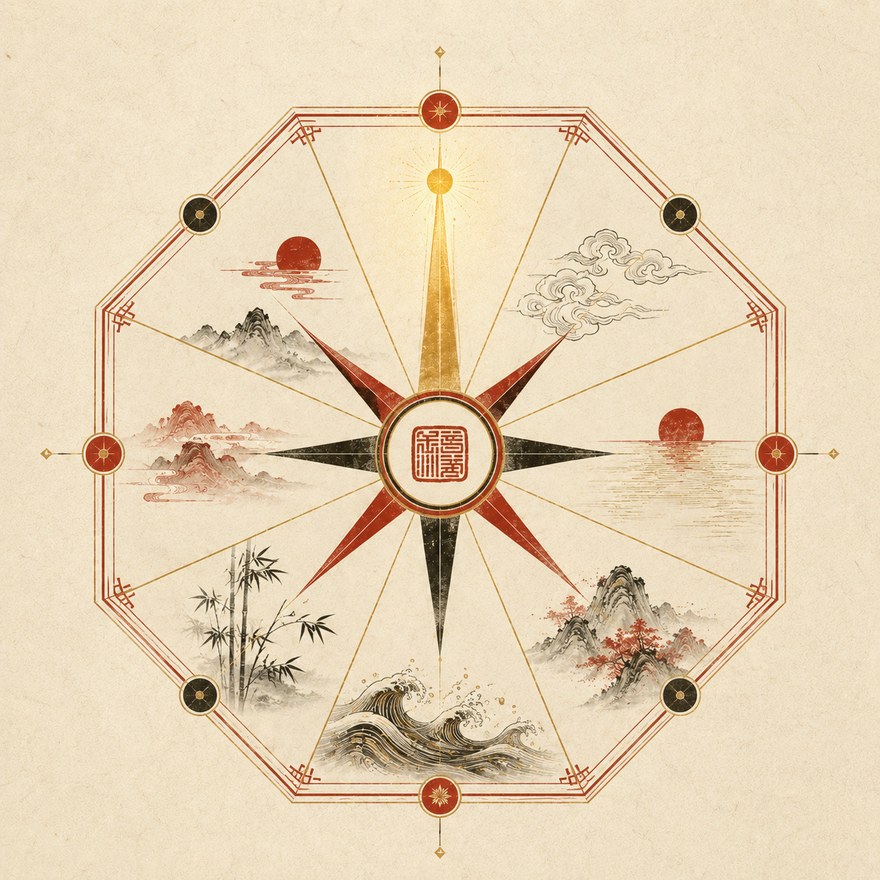
It also carries the traditional eight-direction reading of your seal face — offered in good spirit, by tradition. A record of provenance — not a prediction of fortune.
More than a logo. More than a signature. A tradition of identity.
Every SealFont is composed in the tradition of kissō-tai (吉相体) — also called insō-tai — the auspicious seal-script style, in the lineage of Chinese seal script (tenshō, from 221 BC), long said to invite good fortune.
Before signatures became common, people used seals to prove identity, authority, and authenticity. For more than two thousand years, seals have been used across East Asia as a symbol of trust, ownership, and personal identity — and in Japan, they remain a living tradition.
Some ancient seals now rest in museums — the emperor's among them. Yet the seal itself never became a relic. In Japan it's still how a contract is closed, how a document is made official — on paper and on screen — and how a person is registered as who they are.


When your seal is composed, we read its eight directions — the old compass of the seal face. By tradition, each points to a kind of good fortune; your seal is said to lean toward one of them.

A traditional reading offered in good spirit — not a prediction.
A name worth sealing.名は、印となる。

名 は 、 印 と な る